




НОВОСТНОЙ ЦЕНТР
Акцент на исследованиях, разработках и производстве автомобильных тормозных частей
Понимание различий: тормозные барабаны внедорожников по сравнению с другими тормозными системами
Время публикации:
Jan 05,2024
Table of Contents
1. Introduction to Off-Road Vehicle Brake Drums
2. How Off-Road Vehicle Brake Drums Work
3. Benefits of Off-Road Vehicle Brake Drums
4. Comparison: Off-Road Vehicle Brake Drums vs. Disc Brakes
5. Common FAQs about Off-Road Vehicle Brake Drums
6. Conclusion
1. Introduction to Off-Road Vehicle Brake Drums
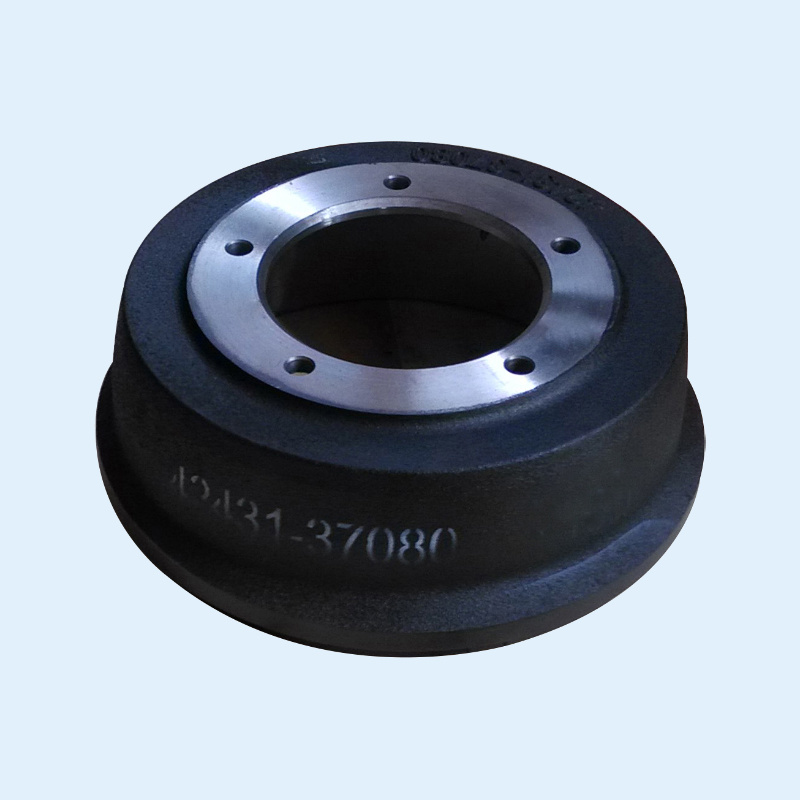
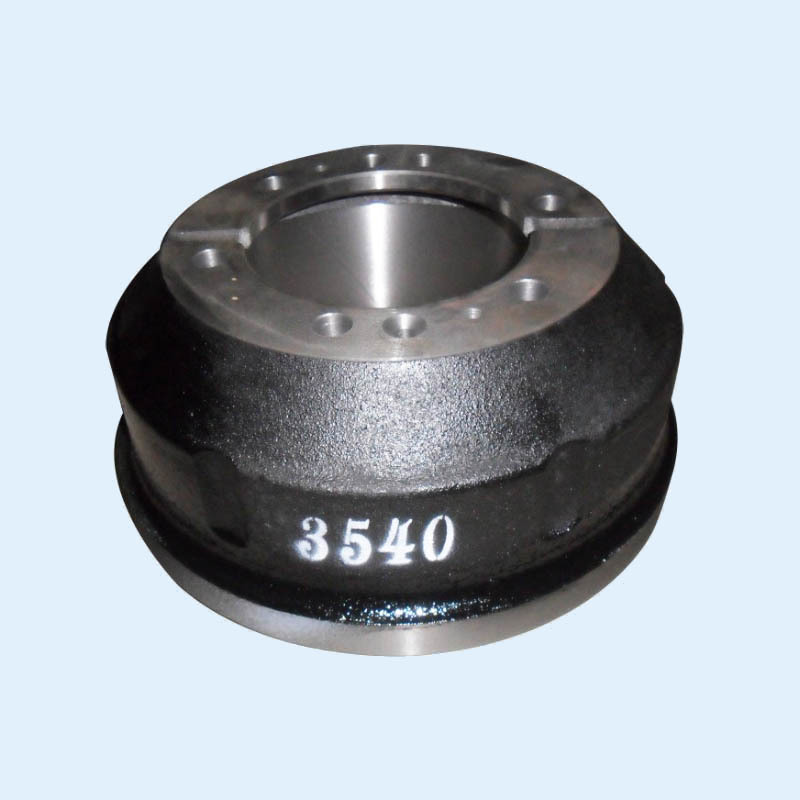
Off-road vehicles require robust braking systems to ensure optimal performance and safety. One crucial component in these systems is the brake drum. In this article, we will delve into the specifics of off-road vehicle brake drums and compare them to other brake systems. By understanding the differences, you'll be better equipped to make informed decisions when it comes to maintaining or upgrading your off-road vehicle's braking system.
2. How Off-Road Vehicle Brake Drums Work
Off-road vehicle brake drums are part of a drum brake system, which functions by using friction to slow down or stop the vehicle. When the brake pedal is pressed, hydraulic pressure is applied, causing brake shoes to expand against the inner surface of the drum. This friction generates the necessary force to slow down or halt the vehicle's movement.
2.1 Components of Off-Road Vehicle Brake Drums
Off-road vehicle brake drums consist of several vital components, including brake shoes, wheel cylinders, and return springs. The brake shoes are responsible for the actual braking action, while the wheel cylinders exert pressure to activate the shoes. Return springs retract the shoes once the braking action is complete. Together, these components ensure effective braking performance in off-road environments.
3. Benefits of Off-Road Vehicle Brake Drums
Off-road vehicle brake drums offer several advantages that make them suitable for rugged terrains and demanding conditions.
3.1 Durability and Heat Dissipation
Off-road driving often exposes vehicles to extreme conditions, including rough terrains and intense heat. Brake drums are designed to withstand these challenges, as they are typically made from robust materials such as cast iron. This durability ensures prolonged brake system performance, even in the harshest off-road environments. Additionally, brake drums have a larger surface area compared to other brake systems, allowing for effective heat dissipation and preventing brake fade.
3.2 Self-Adjusting Mechanism
One notable advantage of off-road vehicle brake drums is their self-adjusting mechanism. As the brake shoes wear down over time, the drum brake system automatically compensates for this wear, ensuring consistent and reliable braking performance. This self-adjustment feature eliminates the need for frequent manual adjustments, saving time and effort for off-road vehicle owners.
3.3 Cost-Effectiveness
Off-road vehicle brake drums are generally more cost-effective compared to other brake systems such as disc brakes. Their simpler design and manufacturing process contribute to their affordability. Moreover, brake drum replacements are often more budget-friendly, making them a popular choice among off-road enthusiasts looking for reliable and economical braking solutions.
4. Comparison: Off-Road Vehicle Brake Drums vs. Disc Brakes
While off-road vehicle brake drums have their advantages, it's essential to consider how they fare against disc brakes, another common brake system used in various vehicles.
4.1 Off-Road Performance
Off-road vehicle brake drums excel in off-road environments due to their robustness and resistance to debris accumulation. They are less prone to damage from rocks, mud, and other off-road elements, ensuring consistent braking performance even in challenging conditions. Disc brakes, on the other hand, may be more susceptible to damage and reduced performance in such environments.
4.2 Braking Power and Modulation
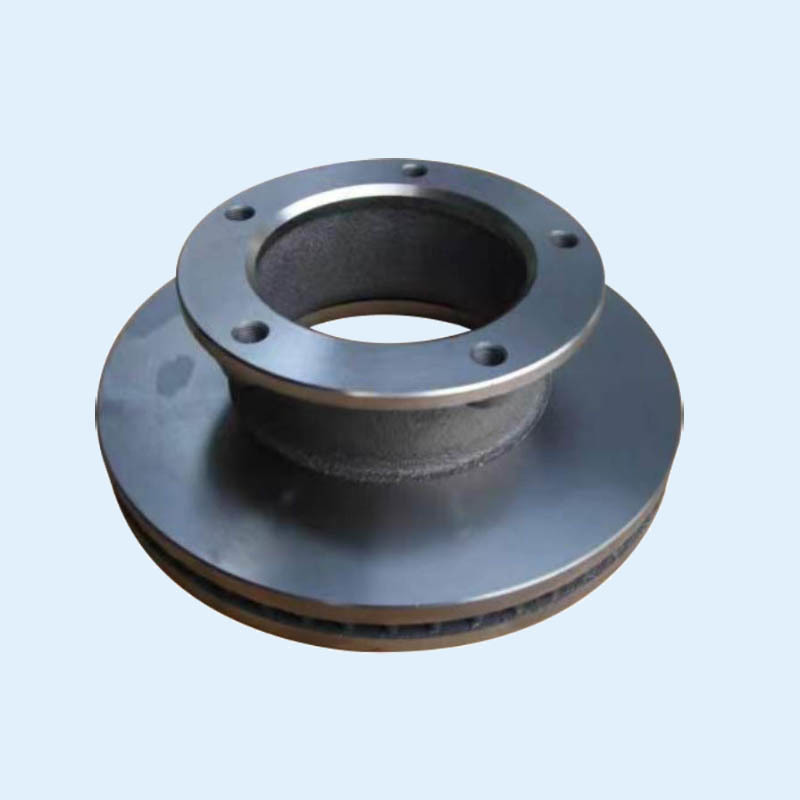
Disc brakes generally provide superior braking power and modulation compared to brake drums. They offer more efficient heat dissipation, reducing the risk of brake fade during prolonged and intense braking. Additionally, disc brakes provide a more responsive and precise braking feel, which can be advantageous in certain driving situations.
4.3 Maintenance and Repairs
In terms of maintenance and repairs, brake drums are generally easier and more straightforward to service. Their design allows for simpler access and replacement of components, resulting in shorter maintenance times and potentially lower repair costs. Disc brakes, on the other hand, may require more technical expertise and specialized tools for maintenance and repairs.
5. Common FAQs about Off-Road Vehicle Brake Drums
5.1 Can brake drums be upgraded to disc brakes in off-road vehicles?
Yes, it is possible to upgrade off-road vehicle brake drums to disc brakes. However, this conversion requires careful consideration of various factors, including compatibility, cost, and overall system performance. Consulting with a professional mechanic or automotive specialist is recommended before proceeding with any brake system upgrades.
5.2 How often should off-road vehicle brake drums be inspected and serviced?
Regular inspections and maintenance are crucial for optimal brake system performance. It is generally recommended to have off-road vehicle brake drums inspected at least once a year or every 12,000 miles. However, specific maintenance intervals may vary depending on vehicle usage, environmental conditions, and manufacturers' recommendations.
5.3 Can off-road vehicle brake drums overheat?
While off-road vehicle brake drums are designed to withstand high temperatures, prolonged and intense braking can potentially lead to overheating. Overheated brake drums may experience reduced braking performance or even brake failure. To prevent this, it is essential to adopt proper braking techniques, avoid excessive and continuous braking, and allow time for the brake system to cool down during off-road adventures.
5.4 Are off-road vehicle brake drums compatible with all off-road vehicles?
Off-road vehicle brake drums come in various sizes and designs to accommodate different vehicle types and specifications. However, it is essential to ensure compatibility before installing brake drums on your off-road vehicle. Consulting the vehicle's manufacturer or a trusted automotive professional can help determine the appropriate brake drum options for your specific make and model.
5.5 Can off-road vehicle brake drums be resurfaced?
Yes, in certain cases, off-road vehicle brake drums can be resurfaced to restore their optimal braking performance. Resurfacing involves removing a thin layer of the drum's inner surface to eliminate minor imperfections and ensure proper contact with the brake shoes. However, it is crucial to consult with a qualified mechanic or brake specialist to determine if resurfacing is a suitable option based on the brake drum's condition and specifications.
6. Conclusion
Understanding the differences between off-road vehicle brake drums and other brake systems is crucial for off-road enthusiasts seeking reliable and efficient braking solutions. While off-road vehicle brake drums offer durability, self-adjustment capabilities, and cost-effectiveness, disc brakes provide superior braking power and modulation. By considering the specific requirements of your off-road adventures, you can make an informed decision when it comes to selecting and maintaining the optimal braking system for your vehicle. Remember to consult with professionals and adhere to regular maintenance intervals to ensure safe and enjoyable off-road experiences.
Похожие новости

HEBEI XINGZHU MACHINERY MANUFACTURING CO. LTD